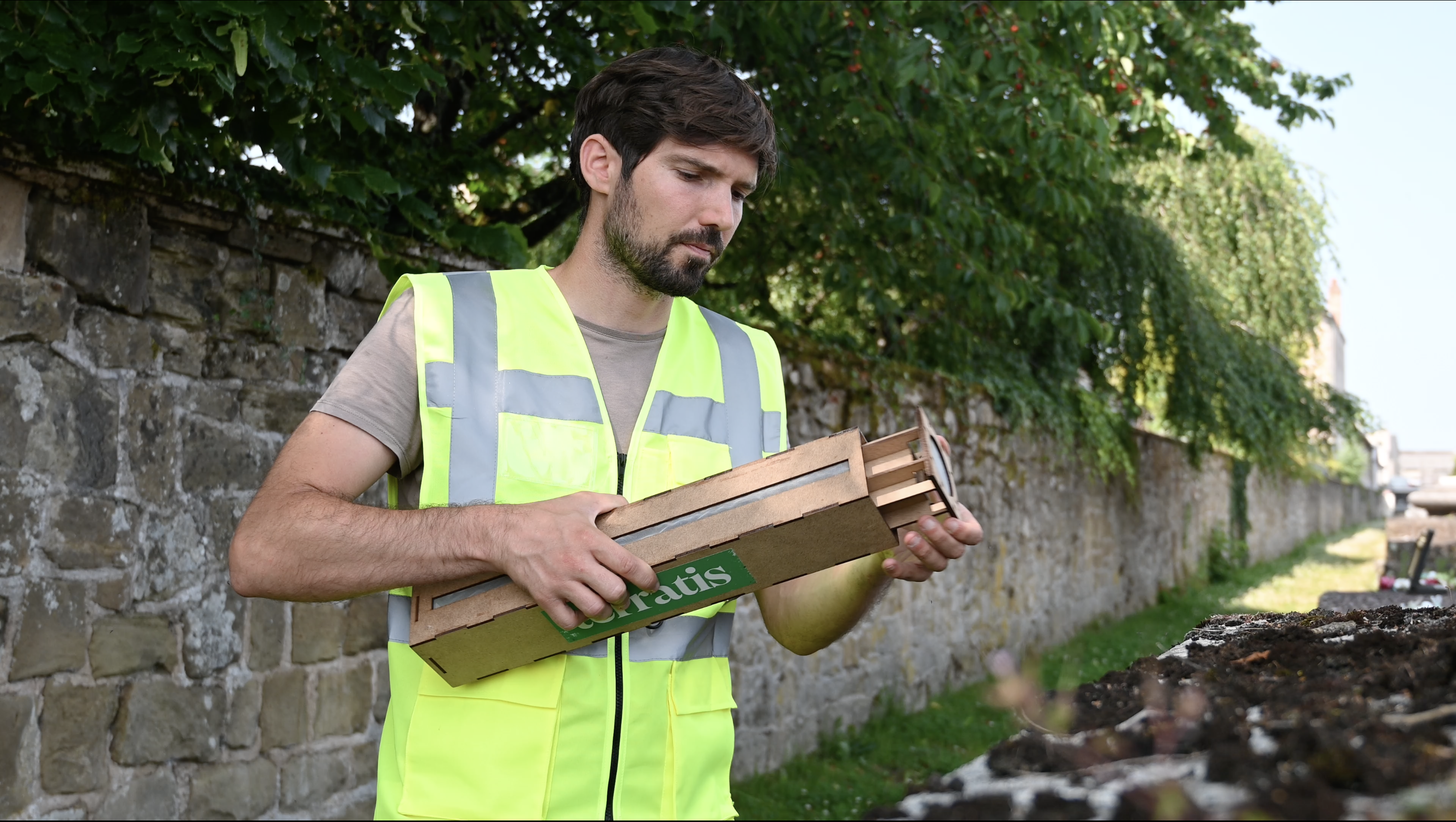
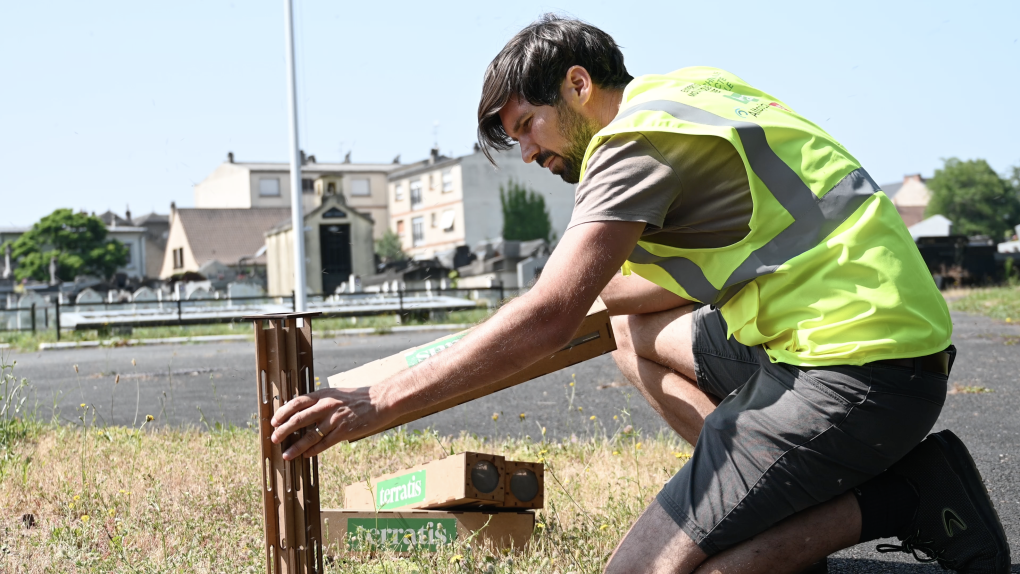
Releasing sterile males is an effective method for controlling the tiger mosquito population. This innovative solution, which uses no insecticides, is being implemented in Montpellier's Malbosc neighborhood as part of a partnership between the City of Montpellier, Montpellier Métropole, and Terratis.
Founded in Montpellier in 2024, the startup developed its method using the Sterile Insect Technique (SIT), a proven technology that, as its name suggests, involves sterilizing male mosquitos. Once raised, these males are released into areas where the insect is most prevalent. They then mate with females in the wild, causing them to lay non-viable eggs for the rest of their lives.
“Our solution reduces tiger mosquito populations by 50% to 60% in the first year and up to 80% in the following year,” explains Clélia Oliva, CEO of Terratis, winner in October 2025 of the i-Lab “Better Living” Grand Prize, organized by Bpifrance, for its innovation in public health.
From August 2025 through the end of October, Terratis released 200,000 tiger mosquitoes — completely harmless, as males do not bite — once a week at 26 selected locations, targeting the most vulnerable areas, including public and residential spaces.
The strategy developed by Terratis, the only company that has designed a robot to automate part of its breeding process, is based on a detailed understanding of the tiger mosquito’s life cycle. Eggs laid in the fall are those that survive the winter to hatch the following spring. The company's technique therefore makes it possible to anticipate the nuisance by taking action during the mating cycle.
This solution, which combines scientific rigor, respect for the environment, technological innovation, and territorial cooperation, is the subject of a technical follow-up study conducted by the French National Research Institute for Sustainable Development (IRD), with the participation of Altopictus and EID Méditerranée.
“This evaluation will measure the combined impact of the sterile insect technique and other integrated control measures on perceived nuisance and mosquito population dynamics,” notes Clélia Oliva.
This initial operation in Montpellier paves the way for broader deployment in other neighborhoods and cities. Thanks to MedVallée, Terratis was guided towards Montpellier BIC for its recognized expertise in supporting innovative companies, and has benefited from the outset from structured assistance that has supported the project's development. In return, the company actively contributes to the MedVallée ecosystem by strengthening the links between innovation, research, and economic development in the area. Terratis plans to double its production capacity as early as this year and then create its first industrial site in 2028 to meet growing demand.
Demonstrating a commitment to finding new ways to address public health, well-being, and climate resilience challenges, this solution has indeed attracted interest from other local authorities, as well as tourism companies and all sites that need protection from tiger mosquitoes. This effort positions Montpellier as a pilot area in the ongoing fight against this pest.